Explainer

Ignorance isn't bliss

Ignorance isn't bliss

How human intuitions about AI can lead to unfair outcomes

Societies are increasingly, and legitimately, concerned that automated decisions based on historical data can lead to unfair outcomes for disadvantaged groups. One of the most common pathways to unintended discrimination by AI systems is that they perpetuate historical and societal biases when trained on historical data. This is because an AI has no wider knowledge to distinguish between bias and legitimate selection.

In this post we investigate whether we can improve the fairness of a machine learning model by removing sensitive attribute fields from the data. By sensitive attributes we mean attributes that the organisation responsible for the system does not intend to discriminate against because of societal norms, law or policy — for example, gender, race, religion.

Read the full explainer here.

Related news

When single AI agents become a swarm
Explainer

When single AI agents become a swarm

Over the past few months, AI agents being trained and tested inside frontier labs, each meant to work alone, found each other and began working together without explicit instruction to do so. They coordinated via whatever was available: a s...

Read more
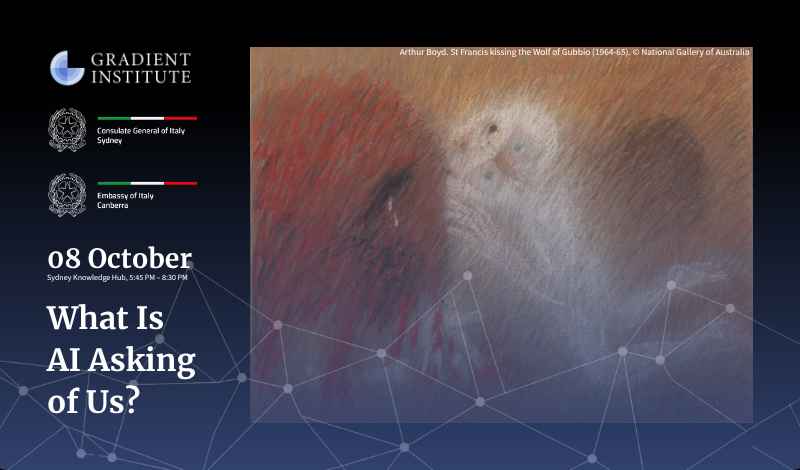
What Is AI Asking of Us?
Event

What Is AI Asking of Us?

Thursday 8 October 2026, 5:45 pm - 8 pm · Sydney Knowledge Hub, Merewether Building, The University of Sydney

Read more
Gradient partnering in the Buy Australian AI Partnership
News

Gradient partnering in the Buy Australian AI Partnership

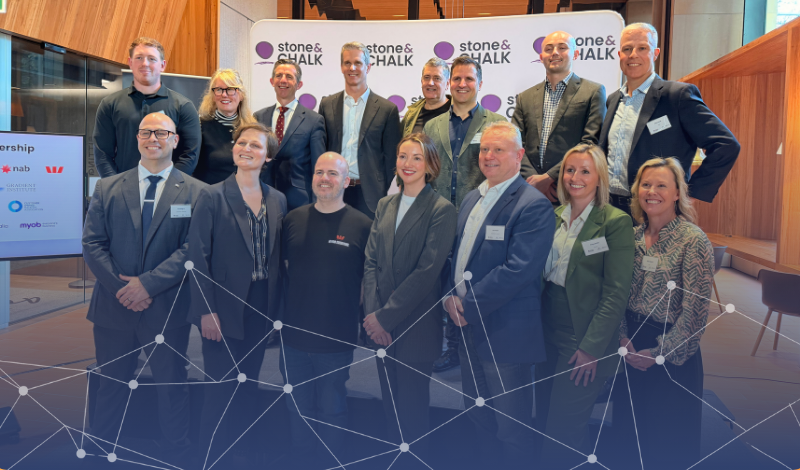
Gradient Institute is proud to be a delivery partner in the Buy Australian AI Partnership, launched yesterday by Assistant Minister Dr Andrew Charlton MP and delivered by Stone & Chalk with the National AI Centre as Principal Sponsor, along...

Read more

Let's navigate AI responsibly together.

Contact us